Car ownership

What to do if your car breaks down in heavy traffic

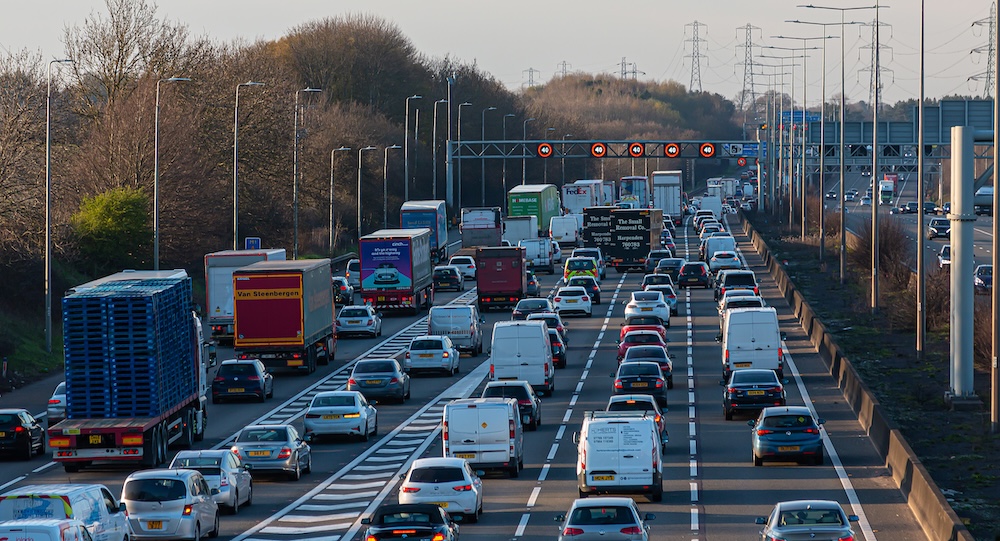
Cars queuing on a busy UK motorway

A car breakdown is stressful at the best of times. When it happens in heavy traffic, it can feel even more daunting because you’re dealing with other vehicles, limited space and potential safety risks.

Knowing what to do if your car breaks down in traffic can help protect you, your passengers and other road users while you arrange assistance.

If your car breaks down in heavy traffic, you should:

  • Switch on your hazard lights immediately
  • Try to move your vehicle as far left as is safe
  • Stop in the safest available location
  • Assess your surroundings before deciding whether to stay in or leave the vehicle
  • Contact your breakdown provider from a safe location
  • Call 999 if you or anyone else is in immediate danger

Are cars more likely to break down in heavy traffic?

While motorway driving can certainly put a strain on your car, it’s stop-start driving in heavy traffic that can cause the most damage.

Stop-start driving means your engine, cooling system, clutch and brakes are working constantly. At the same time, slower speeds reduce airflow through the radiator, making it harder for the engine to stay cool.

That’s why engine overheating is one of the most common causes of a breakdown in traffic. Problems such as a faulty cooling fan, radiator issue or damaged hose can become more noticeable when crawling through congestion.

What to do if you break down in traffic: step-by-step guide

1. Alert other drivers

As soon as you realise there’s a problem, switch on your hazard warning lights.

These help alert other road users that your vehicle is moving unusually slowly or has stopped unexpectedly. If visibility is poor because of rain, fog or darkness, keep your side lights on too.

2. Move to a safer position if possible

If your vehicle can still move, signal and carefully make your way towards the left-hand side of the road.

On a motorway, this may mean reaching the hard shoulder if one is available. On other roads, aim for the left-hand side or another safe location away from moving traffic.

Don’t make sudden manoeuvres or force your way across lanes. If traffic is stationary, wait for a safe opportunity to move.

3. Stop safely and secure the vehicle

Once you’ve stopped:

  • Apply the handbrake
  • Switch off the engine if appropriate
  • Keep your hazard lights on
  • Put the vehicle in gear or park, depending on the transmission

Take a moment to assess your surroundings before deciding what to do next.

4. Think carefully before leaving the vehicle

Whether you should stay in the vehicle or leave it depends on where you’ve broken down.

If you’re on a motorway hard shoulder and can safely get beyond a safety barrier, that may be the safest option.

However, if you’ve come to a stop in a live traffic lane or somewhere you cannot leave the vehicle safely, it may be safer to remain inside with your seatbelt fastened until help arrives or emergency services attend.

Always prioritise getting yourself and your passengers away from danger, but don’t put yourself at risk by stepping into moving traffic.

5. Stay aware of other hazards

Traffic jams can create additional risks.

Drivers and passengers sometimes leave their vehicles during long delays, while motorcyclists may filter between lanes. Stay alert to people moving around nearby and avoid unnecessary movement close to traffic.

6. Contact your breakdown provider

Once you’re safe, contact your breakdown provider and explain:

  • Your location
  • The nature of the problem
  • Whether you’re in a particularly hazardous position

If there is an immediate risk to life or a serious danger on the road, call 999.

How to reduce the risk of a breakdown in traffic

While you can’t prevent every breakdown, regular maintenance can reduce the chances of being caught out in congestion.

Before your journey

Check engine oil and coolant levels

Low fluid levels can increase the risk of overheating, particularly during long periods of slow-moving traffic.

Keep your vehicle serviced

Regular servicing can identify worn or failing parts before they develop into more serious problems.

While driving in traffic

Drive smoothly

Leave a reasonable gap to the vehicle in front where conditions allow. This can help reduce constant braking, clutch use and acceleration.

Watch your temperature gauge

If your engine temperature starts rising, turn off unnecessary accessories such as air conditioning. In some situations, using the heater can even help draw heat away from the engine.

Be sensible when stopped

If your car is going to be sat still for a while, do what the manufacturer recommends for your car.

Be prepared for the unexpected

Breaking down in heavy traffic can be unsettling, but staying calm and putting safety first can make a difficult situation easier to manage. The important thing is to remain calm, avoid distractions, and keep your own and your passengers’ safety as a top priority.

By maintaining your car, recognising warning signs early and having reliable breakdown cover in place, you’ll be better prepared if the unexpected happens.

For more breakdown advice, driving tips and vehicle maintenance guides, explore the Green Flag blog.
Why cars overheat and how to prevent it

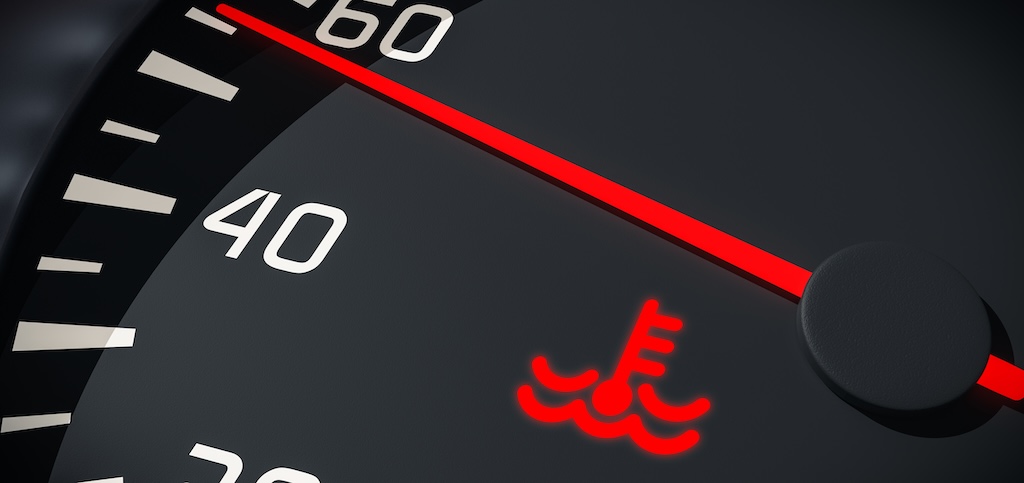
A car dashboard temperature gauge indicates the car's engine is overheating.
Regular maintenance and simple checks are all you need to keep overheating at bay.

Keeping your car running well doesn’t take much. A few regular checks and a basic understanding of how things work under the bonnet go a long way.

One of the most common issues drivers encounter, particularly in warmer months, is the engine running hotter than it should.

The good news is that overheating is almost always preventable, and the causes are usually easy to understand and remedy.

Continue reading

When do you need towing vs on-the-spot repair?

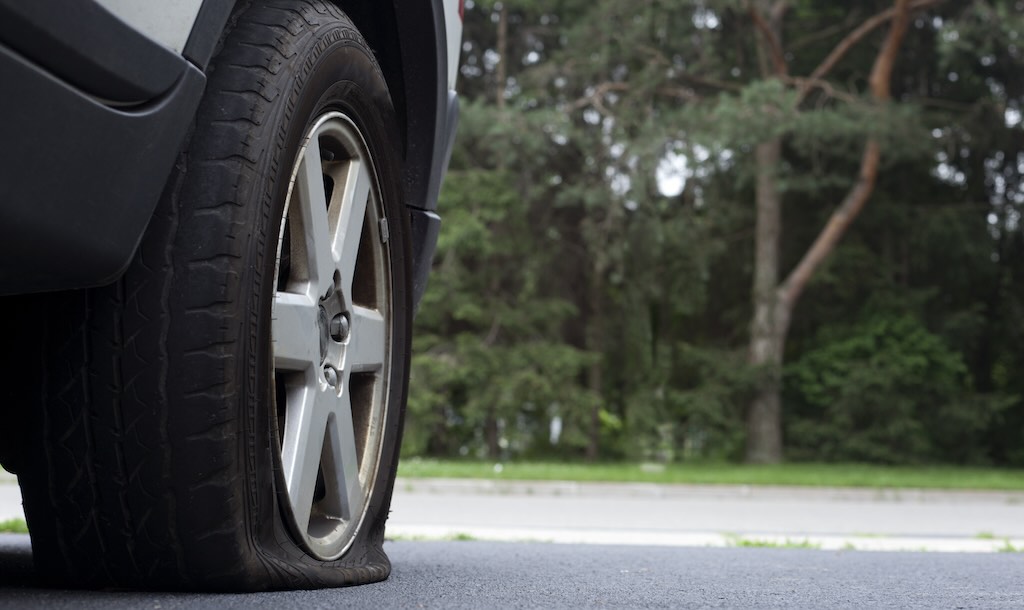
A car with a flat tyre is seen at the roadside.
A flat tyre is often something a roadside technician can replace on site.

If your car breaks down unexpectedly, the support you receive will usually fall into one of two categories: roadside repair or recovery.

In many cases, a breakdown technician can get you moving again without the need to tow your car. Sometimes, though, a fault needs specialist equipment or repairs that can only be carried out at a garage, meaning your car will need to be relocated.

In this guide, we explain when a problem can likely be fixed at the roadside, when recovery may be needed, and how the decision is made.

Continue reading

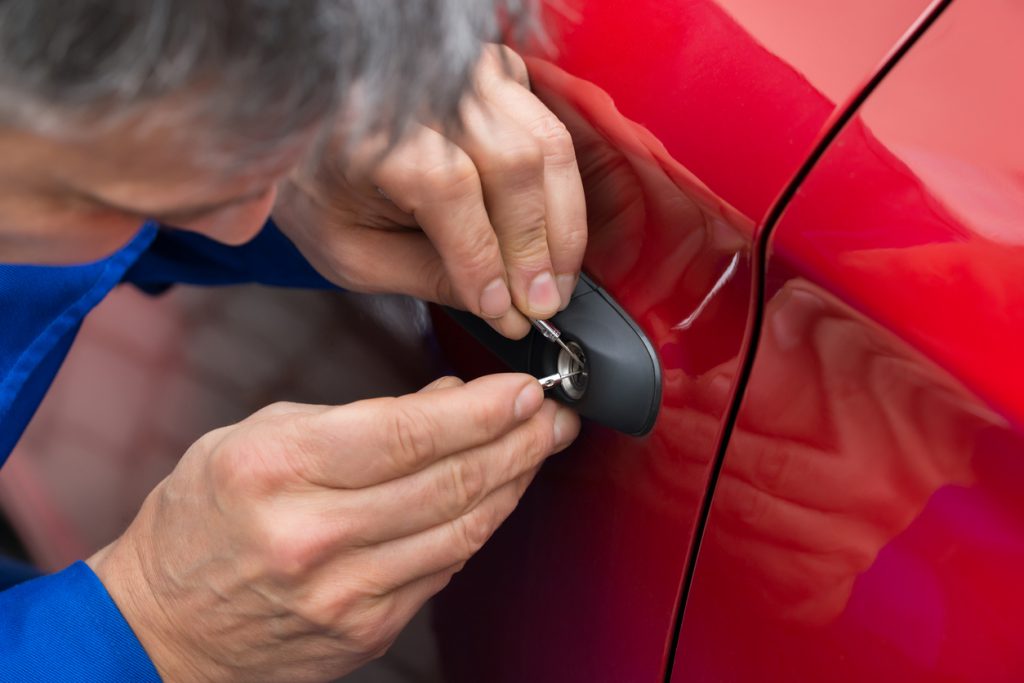
Expert advice on how to avoid a car key catastrophe

Taking better care of your car keys can save time, money and plans being cancelled this summer.
Taking better care of your car keys can save you time, money and stress.

Our research reveals that a car key-related callout took place every seven minutes in 2024. According to our data, two-thirds (62 per cent) of car key callouts were a result of drivers locking their keys in the car. A further fifth of callouts were for keys being jammed in the lock or ignition, whilst 12 per cent were a result of lost keys.

Continue reading

Breakdown cover vs vehicle insurance: what’s the difference?

picture showing the back of a line of parked cars
Do you know your breakdown cover from fully comp?

At first glance, it’s easy to get mixed up between breakdown cover and vehicle insurance, because they can seem like they do a similar job. After all, they both give you peace of mind when you’re on the road, they both involve your car, and they both help when something goes wrong.

But they’re actually very different.

Continue reading

How to make an insurance claim after a breakdown

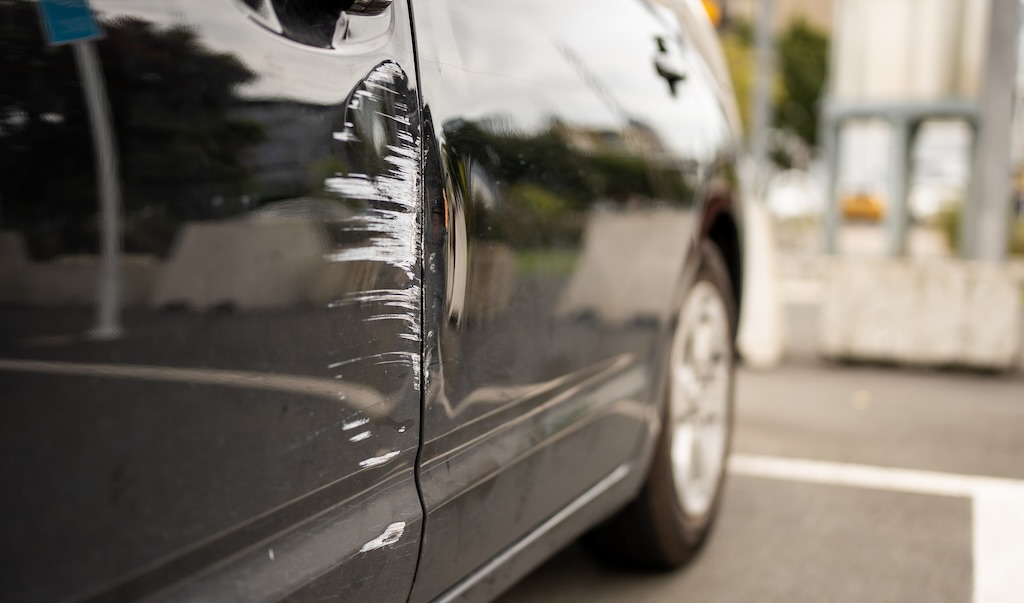
A black car with a small dent and scratches is parked.
Sometimes a breakdown can lead to damage that needs an insurance claim.

After a breakdown, you may find you need to make an insurance claim. This could be because your breakdown led to damage, you need to recover certain costs, or there’s been an accident or incident connected to the breakdown.

So, once the car and everyone in it is safe, here’s a few simple steps to making an insurance claim.

Continue reading

What to do if you break down far from home

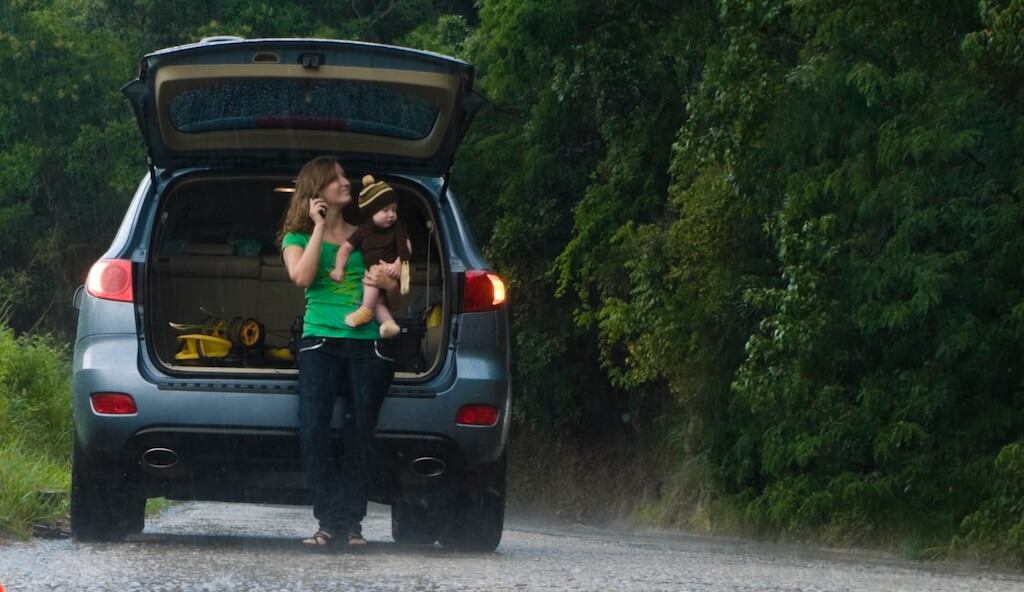
A woman and child are stood outside their car, calling their breakdown provider for help.
You might not know the roads, but knowing what actions to take if you break down will help ease the worry.

Breaking down is never ideal, but it can be especially difficult if you’re far from home in an area you don’t know. In these situations, knowing what to do next can help make things that bit easier. A few calm, practical steps can help keep you safe and get help on the way.

Continue reading

Roadside assistance explained: what’s included and what isn’t

A car is at the side of the road after the couple driving it broke down.
Roadside assistance will provide cover when you break down away from home.

Breaking down is one of those things you never really expect to happen. You set off thinking about where you’re going, what time you’ll get there, and whether you remembered everything – then, you’re at the side of the road, hazards flashing, wondering what to do next. That’s exactly where roadside assistance can help.

Continue reading

What to do if you lose your car keys

Many people will misplace their car keys at some point, but thankfully they’ll usually show up after a bit of a rummage.

But what if the keys really are gone? This guide will help you understand exactly what to do if your keys are lost or stolen, as well as sharing advice on how to keep them safe in the first place.

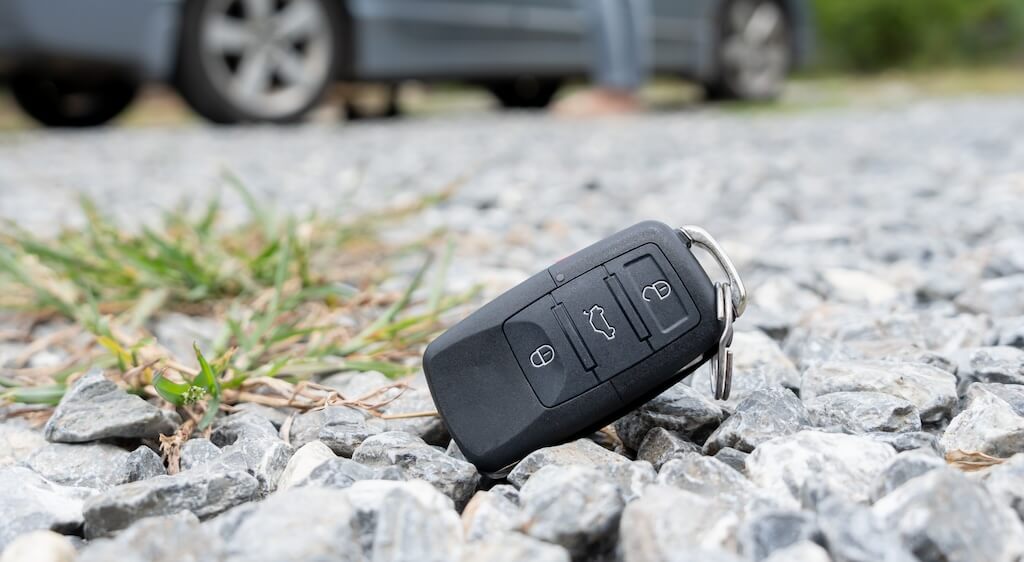
A car key fob is on the ground.
A lost car key isn’t a fun time for anyone.
Continue reading

What happens if you put the wrong fuel in your car?

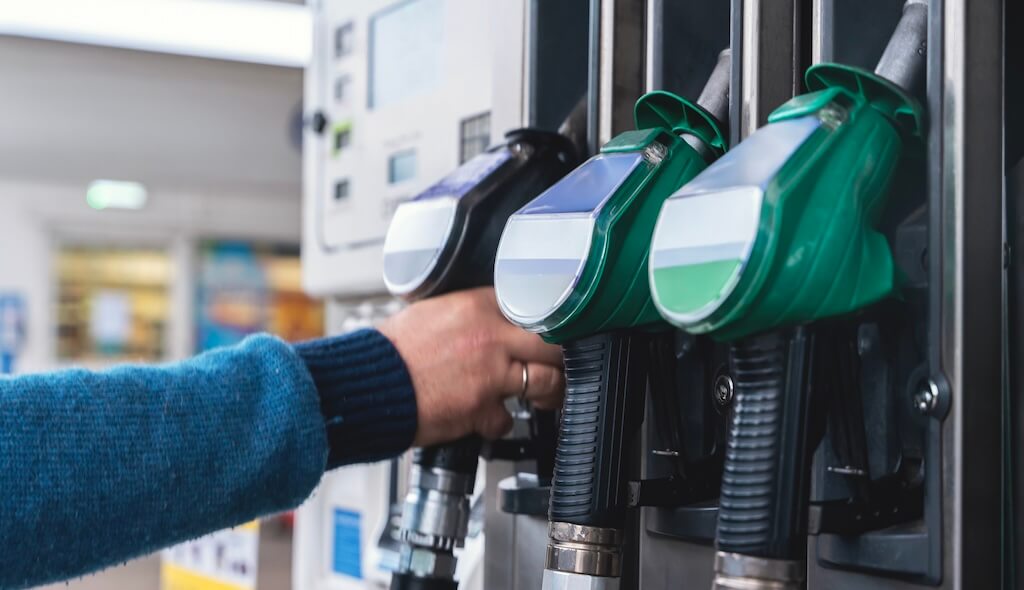
Take a few seconds longer to make sure you pick up the correct fuel pump.

Misfuelling your car is an easy mistake to make. All it takes is a distraction at the pump, or you’re driving an unfamiliar rental car or a work vehicle, and the damage can be done before you know it.

What might seem like a relatively small mistake can lead to stalling, engine damage and even complete engine failure. While these are serious issues, there are some immediate steps you can take if you misfuel.

Continue reading

What to do if your car overheats while driving

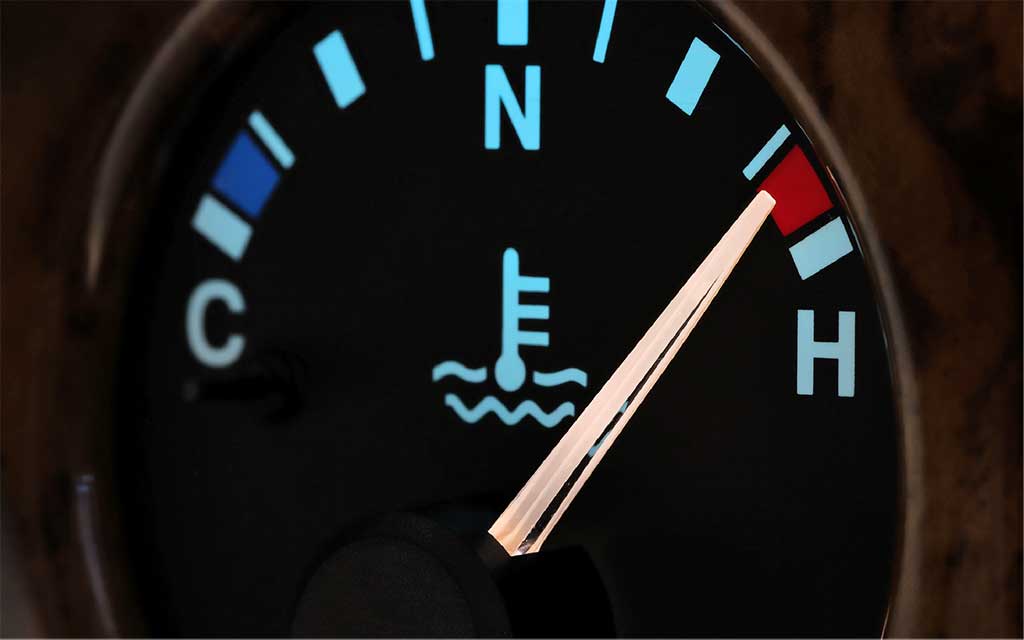
The temperature gauge on a car dashboard is showing the engine is too hot.
Don’t ignore the signs that your car is overheating.

Your car’s engine naturally generates a lot of heat while it runs, which is why it relies on a cooling system to keep temperatures under control. Most of the time this system works quietly in the background without you even needing to think about it.

However, on longer drives, during hot weather or in slow-moving traffic, you may notice your engine temperature starting to climb. If this happens, knowing how to respond can help you deal with the situation safely, and reduce the risk of potential damage.

With this guide you’ll learn how to recognise the signs of an overheating engine, what steps to take if it happens while you’re driving, and when it may be best to seek help.

Continue reading

Top safety tips when you stop at the roadside

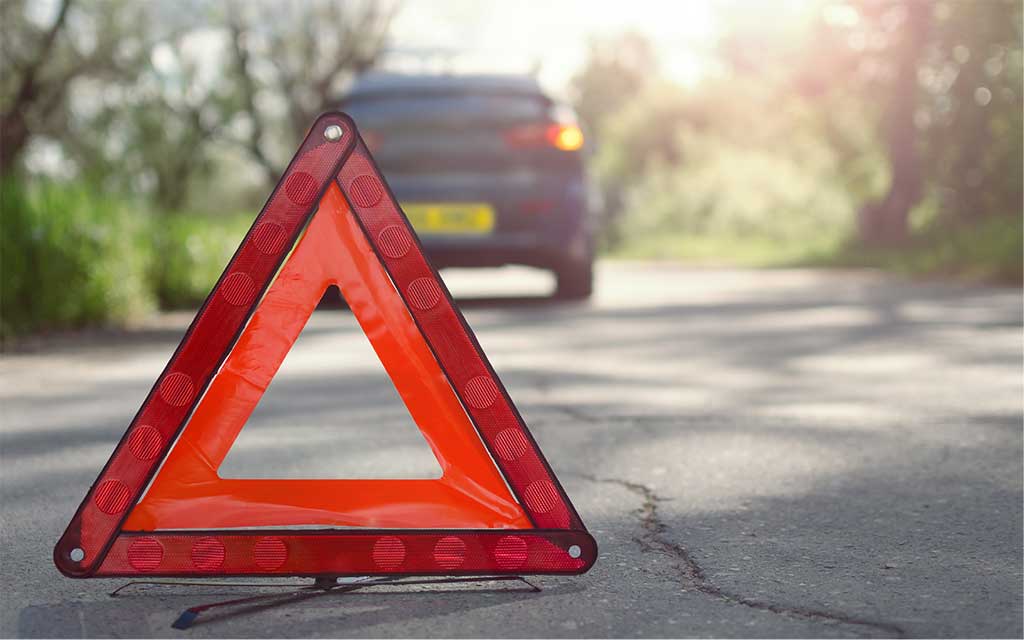
A blue car is stationary with its warning lights on. A warning triangle has been placed down the road from the car to alert oncoming traffic.
Knowing what to do when you breakdown will help keep you safe.

If your car stops at the side of the road, the most important thing is knowing what to do next. Breakdowns aren’t something anyone plans for, but there are clear, practical steps you can take to protect yourself and your passengers.

Staying calm and focusing on those steps can help you feel more in control. From positioning your vehicle safely to contacting the right help, small actions can make a big difference.

This guide walks you through what to do; so if it does happen, you’ll feel better prepared to deal with it safely and confidently.

Continue reading

How to check your car’s engine oil: a step-by-step guide

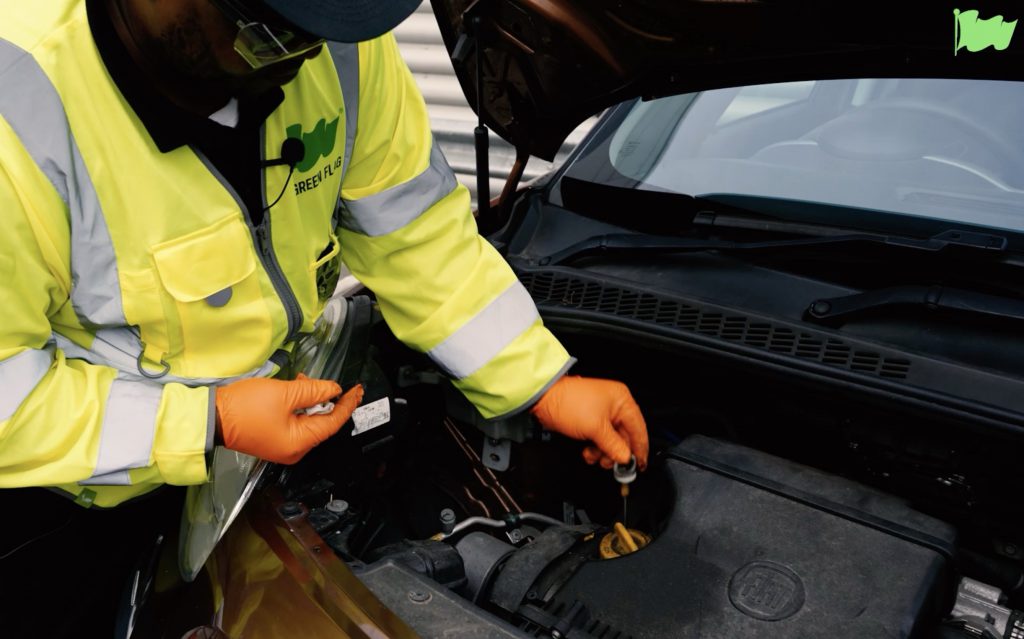
A Green Flag technician checks the engine oil using a dipstick.
Checking your car’s oil is a simple task which helps maintain peak protection and performance of its engine.

Checking your car’s oil level is a simple yet key task which will help to keep your car running at its best. We’ve got you covered with everything you need to know about checking your car oil.

We explain what oil does, why it’s important, how to see if your car’s running low on it, how to top it up, and much more. All this, plus our step-by step guide and expert video. Very slick!

Continue reading

The 7 reasons why you should give your car a wash this spring

Spring car wash

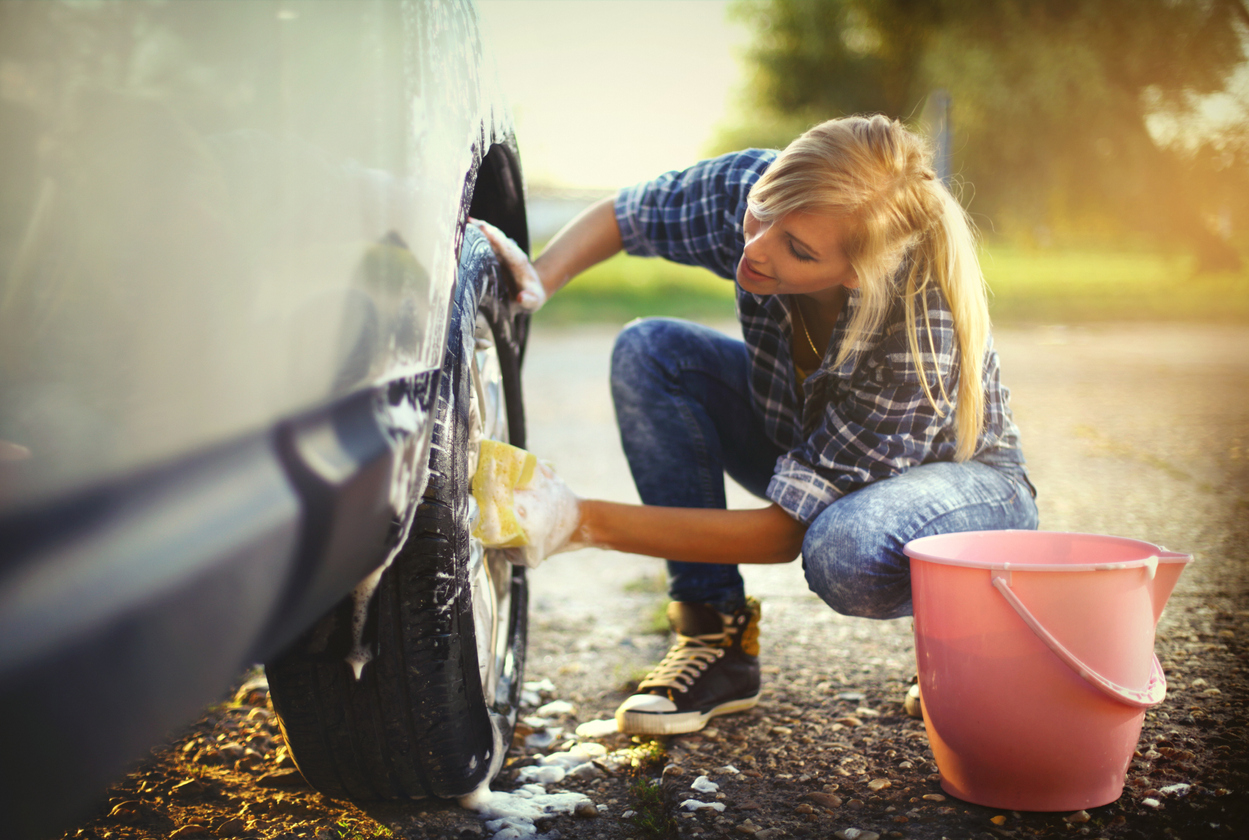
Spring has sprung, the birds are singing, and the sun is finally putting in an appearance. But the chances are your car is still feeling (and showing) the effects of winter.  

With warm weather (hopefully) just around the corner, now’s the time to give your car a good spring clean. There are plenty of good reasons to – here are seven of the best.

Continue reading

How to check car engine coolant: the complete UK guide

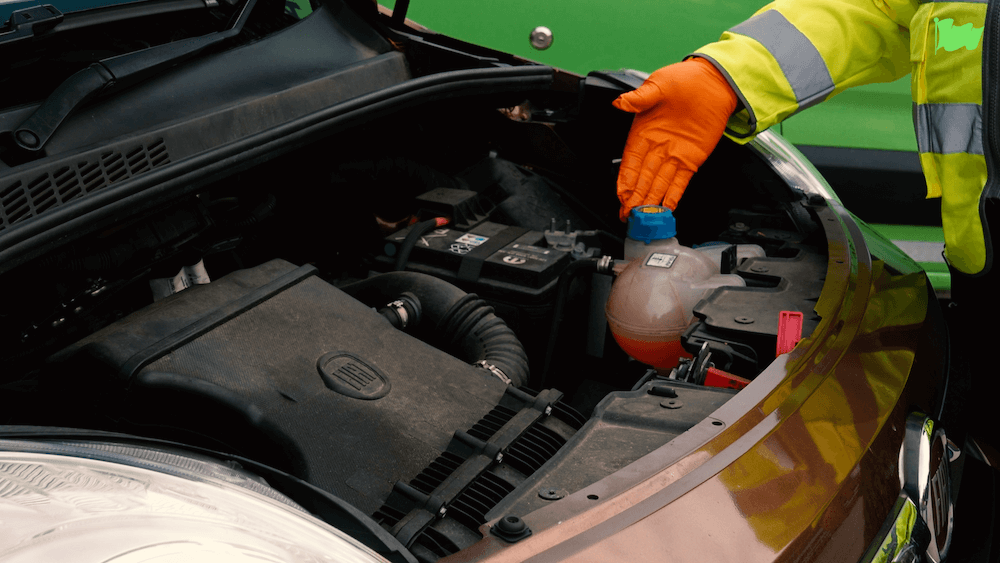
A Green Flag technician points to the coolant reservoir under the hood of a car.
Car coolant is a mixture of antifreeze and water which helps to stop your car’s engine from overheating.

Checking your car’s coolant level is an important task to help keep your car healthy and on the road.

Our frequently asked questions, step-by step guide and expert video have everything you need to know about car coolant, how to check the level, and how to safely top it up.

Continue reading

Why do car batteries die in winter?

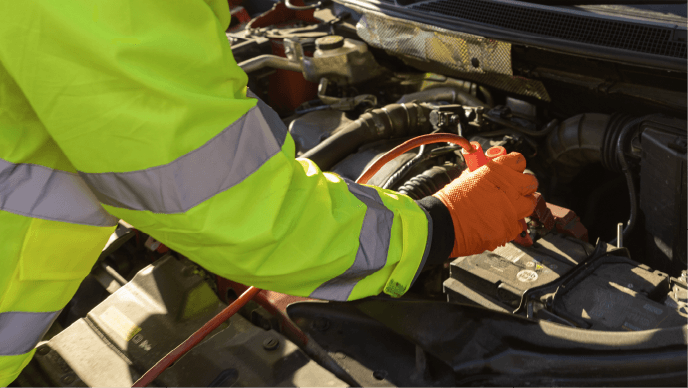
A roadside technician checks a failing car battery.
The cold winter weather doesn’t play nicely with your car’s battery.

There’s nothing worse than heading out on a freezing winter morning, turning the key… and being met with silence.

A flat car battery is one of the most common causes of breakdowns during cold weather – and it can happen anytime, without much warning. Even if your battery seemed perfectly fine in recent months, winter conditions can quickly expose hidden weaknesses.

So, why do car batteries die in winter? And what can you do to prevent being stranded with a car that won’t start? Let’s look at why cold weather can prove so challenging.

Continue reading

How to change your windscreen wipers

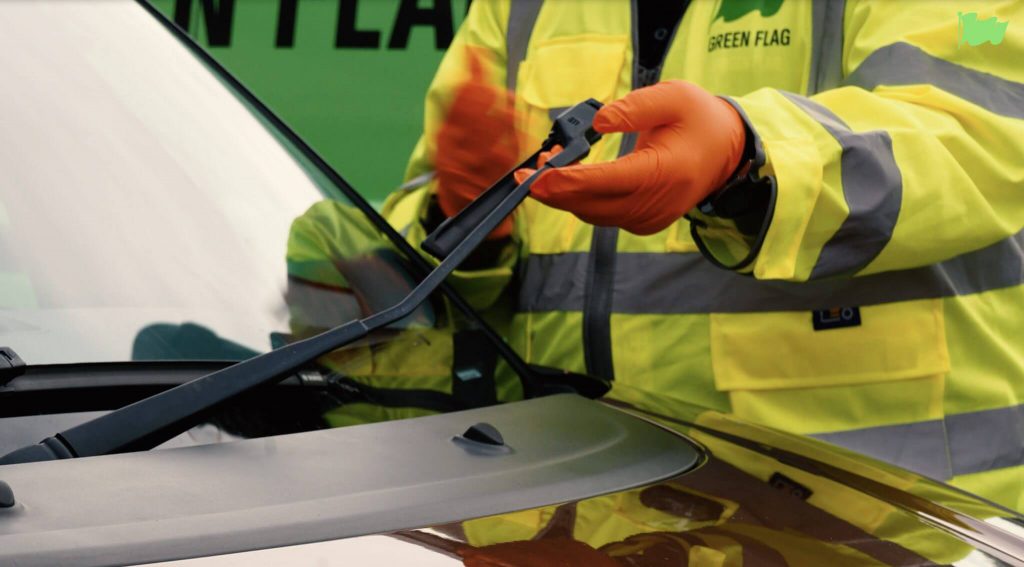
Windscreen wiper blades play a vital role in giving drivers a better, clearer view of the road.

Being able to change your car’s windscreen wiper blades is a vital car maintenance skill. The process varies from car to car but there are similarities between all of them which we’ve covered below with a step-by step guide and a handy video showing how our experts do it.

Continue reading